Why Vietnamese Arabica Is Gaining Specialty Recognition
Long overshadowed by Robusta, Vietnamese Arabica from Cau Dat and Son La is scoring 84+ on the SCA scale and turning heads at international cuppings. Here is what buyers need to know.
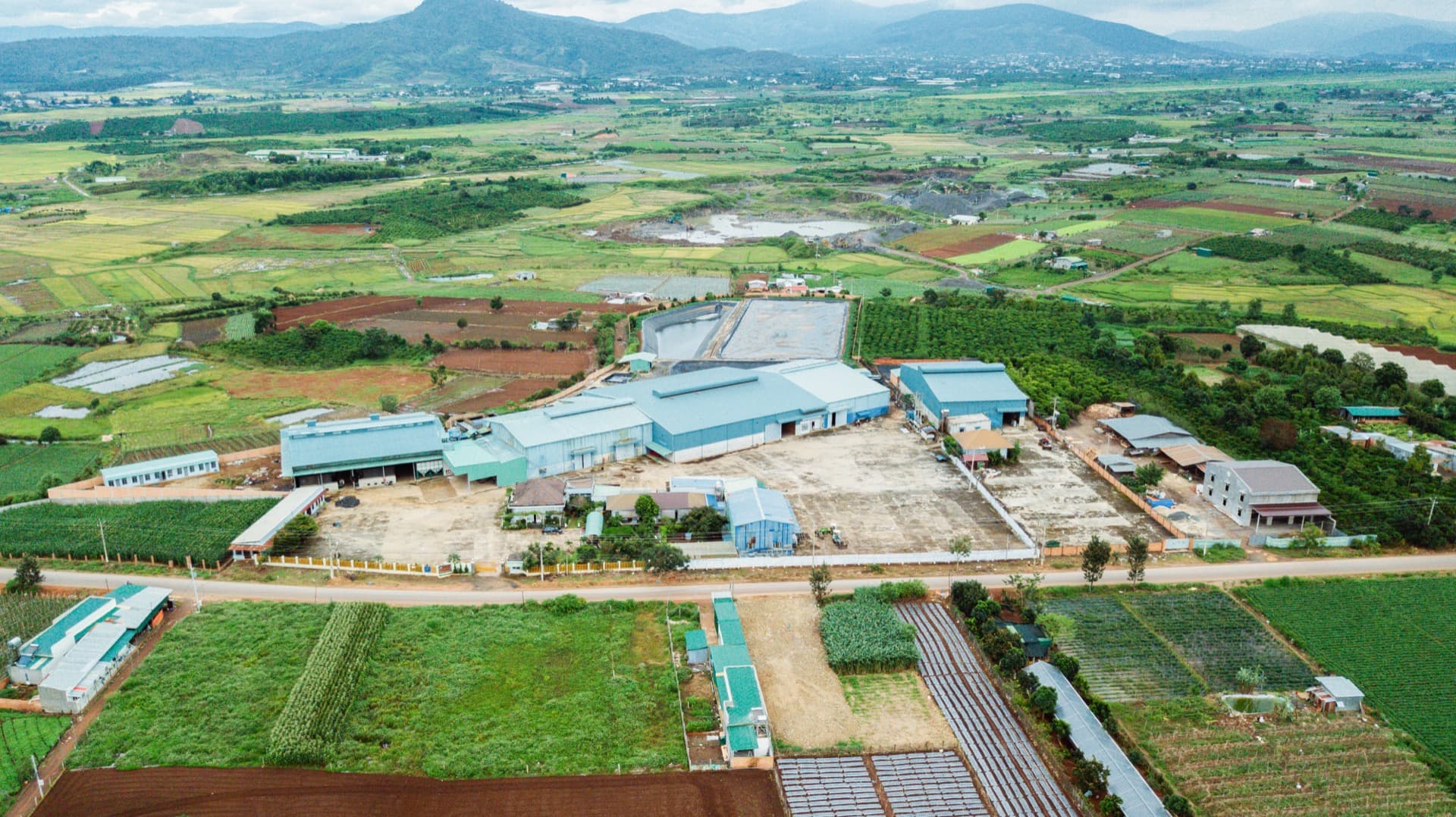
For decades, Vietnam has been synonymous with Robusta. The country's coffee identity was built on the massive expansion of Robusta cultivation in the Central Highlands during the 1990s, which propelled Vietnam to become the world's second-largest coffee producer. But a quiet revolution has been unfolding in the country's Arabica-growing regions. Vietnamese Arabica, cultivated at 1,200-1,600 meters in Lam Dong Province (notably the Cau Dat plateau near Da Lat) and the northwestern highlands of Son La Province, is achieving cupping scores that place it firmly in the specialty category — and international buyers are taking notice.
The numbers tell the story. At the 2025 Vietnam Specialty Coffee Competition organized by the Vietnam Coffee Coordination Board (VCCB), the winning lot — a washed Catimor from Cau Dat — scored 87.5 on the SCA cupping scale. The top 20 lots averaged 84.2 points, with flavor profiles featuring stone fruit, dark chocolate, honey sweetness, and a clean, medium acidity that distinguishes Vietnamese Arabica from the brighter, more citric profiles of East African and Central American origins. These scores are competitive with recognized specialty origins like Colombia, Guatemala, and Kenya.
Several factors are converging to drive this quality improvement. First, the Vietnamese government's variety diversification program has introduced Typica, Bourbon, and SL28 cultivars alongside the traditional Catimor, which was selected in the 1990s primarily for its disease resistance and yield rather than cup quality. Second, processing innovation — particularly honey processing and natural processing — is expanding the flavor repertoire of Vietnamese Arabica beyond the clean but sometimes flat profile of fully washed Catimor. Third, a new generation of Vietnamese coffee producers, many trained through programs like Coffee Quality Institute courses and Specialty Coffee Association workshops, is approaching Arabica cultivation with the precision and attention to post-harvest processing that specialty markets demand.
VCG's Arabica sourcing program currently works with 80 farms in Cau Dat and Son La, purchasing cherry at a premium of 25-40% above local market prices in exchange for strict quality protocols: selective picking of only fully ripe cherry, delivery to processing stations within 6 hours of harvest, and adherence to VCG's processing specifications. Our new Binh Duong processing line is configured specifically to handle the smaller volumes and more delicate processing requirements of specialty Arabica, with separate milling, sorting, and roasting equipment dedicated to Arabica production.
For international buyers, Vietnamese Arabica offers a compelling combination of specialty quality, competitive pricing, and reliable supply. FOB Ho Chi Minh City pricing for specialty-grade (84+ points) Vietnamese Arabica ranges from $4,500-5,200 per metric ton — a significant discount to comparably scored lots from Colombia ($6,000-7,500) or Ethiopia ($5,800-7,000). As cold brew, filter coffee, and single-origin espresso continue to grow in Asian and European markets, VCG expects demand for Vietnamese specialty Arabica to double by 2028. The world is discovering what we have long known: Vietnamese coffee has far more to offer than Robusta alone.
Quang Nguyen
CEO, VinaCoffee Group