From Dak Lak to Osaka: The Journey of Vietnamese Coffee
Follow a single container of VCG Robusta S18 from cherry picking in the Central Highlands through processing, quality control, and shipping to its final destination at an Osaka roastery.
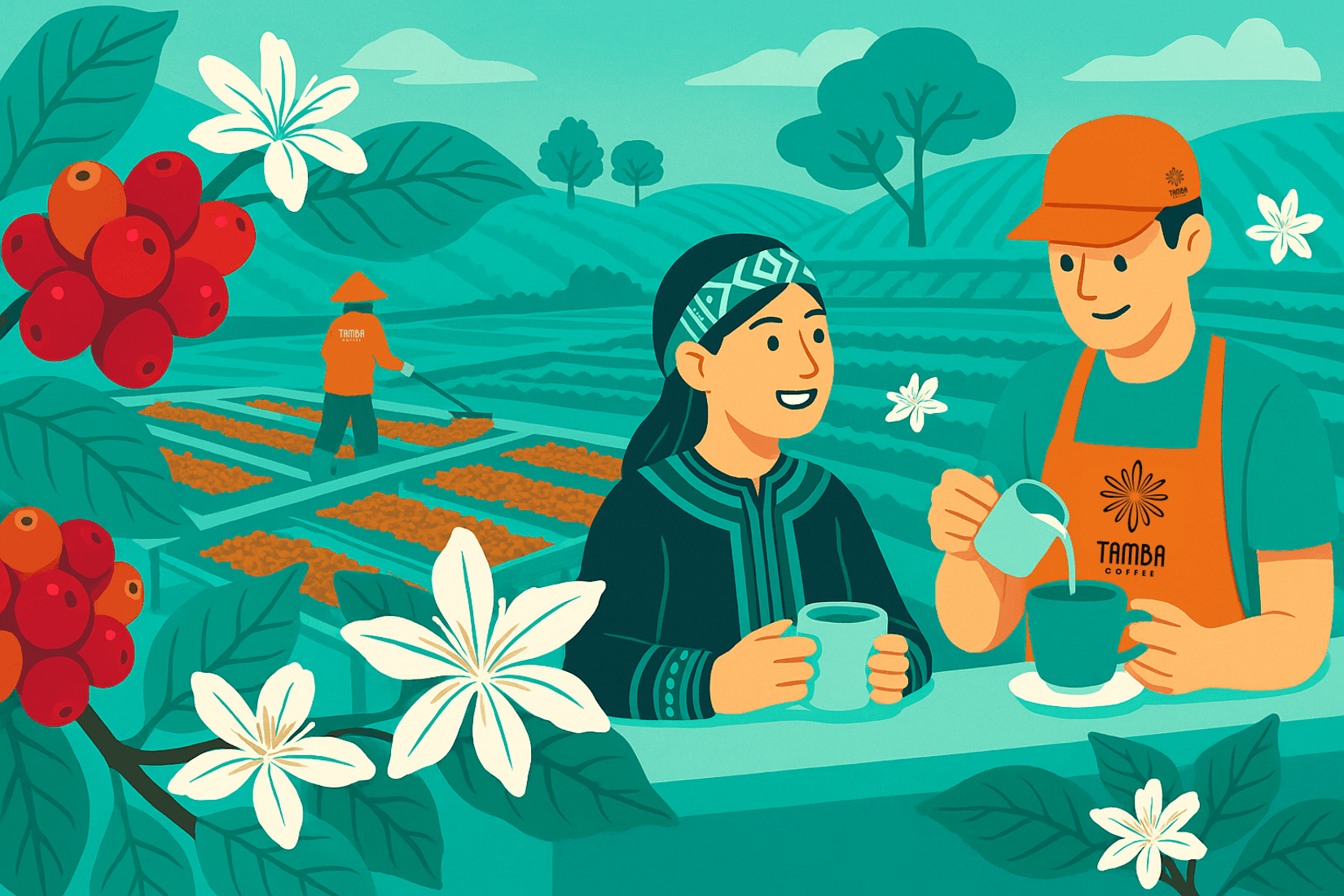
It begins in November, when the Robusta coffee cherries on the volcanic basalt slopes of Dak Lak Province turn from green to deep crimson. At 600 meters altitude in Cu M'gar district, the 2025/26 harvest is underway. Farmer Nguyen Van Thanh, a second-generation coffee grower and member of the Ea Kiết cooperative — one of 500 farms in VCG's sourcing network — is hand-picking ripe cherries from his 2.5-hectare plot. Selective picking, where only fully ripe cherries are harvested in multiple passes over 4-6 weeks, is more labor-intensive than strip-picking, but it is the foundation of quality that VCG requires from its cooperative members.
Within 24 hours of picking, the cherries arrive at the cooperative's centralized wet-mill, where they are floated to remove underripe and damaged fruit, then de-pulped using a Penagos disc pulper. The wet parchment coffee enters a 36-hour controlled fermentation in concrete tanks, during which microbial activity breaks down the mucilage layer surrounding the bean. After fermentation, the parchment is washed in clean water channels and spread on raised African beds for sun-drying over 10-14 days, with the target moisture content of 12.0-12.5%. This entire process is documented in VCG's traceability system, with the cooperative recording lot numbers, processing dates, and drying conditions.
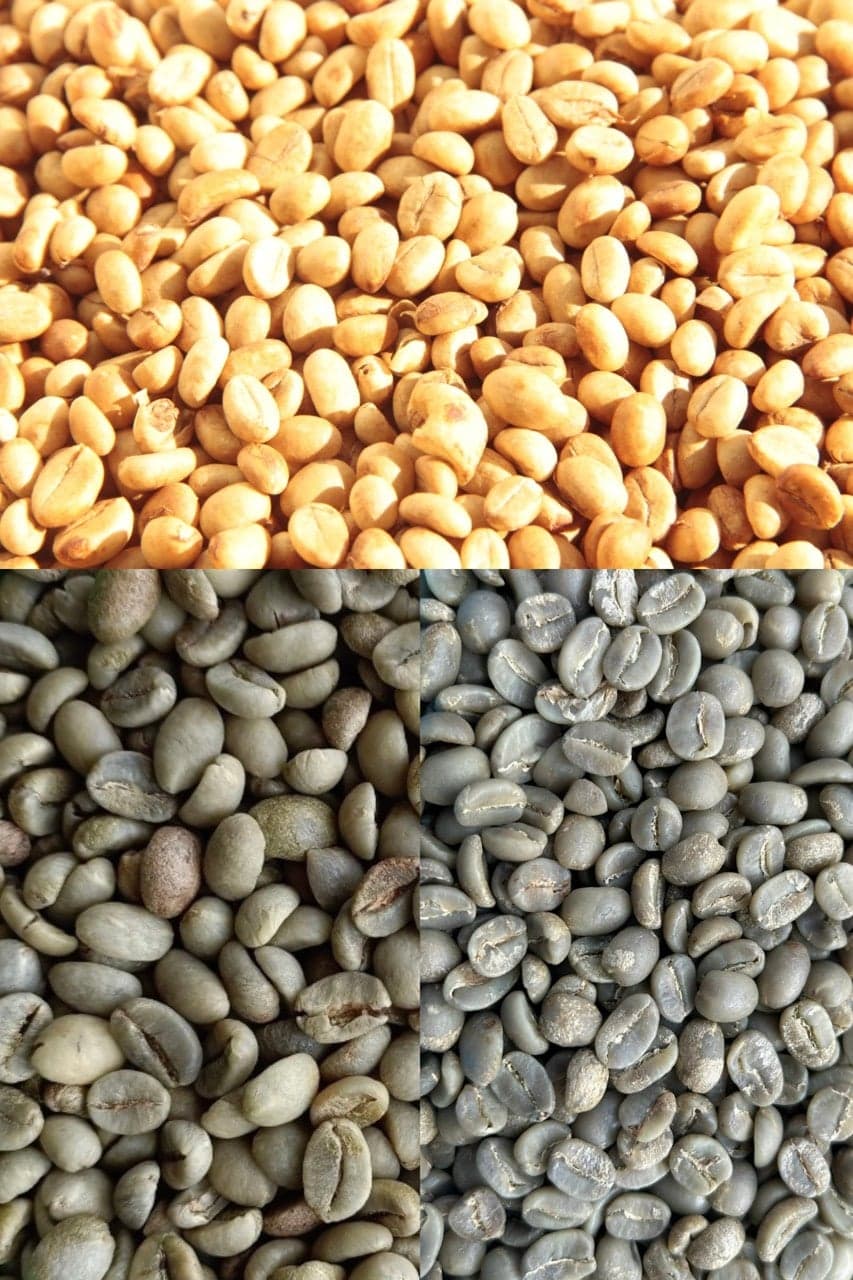
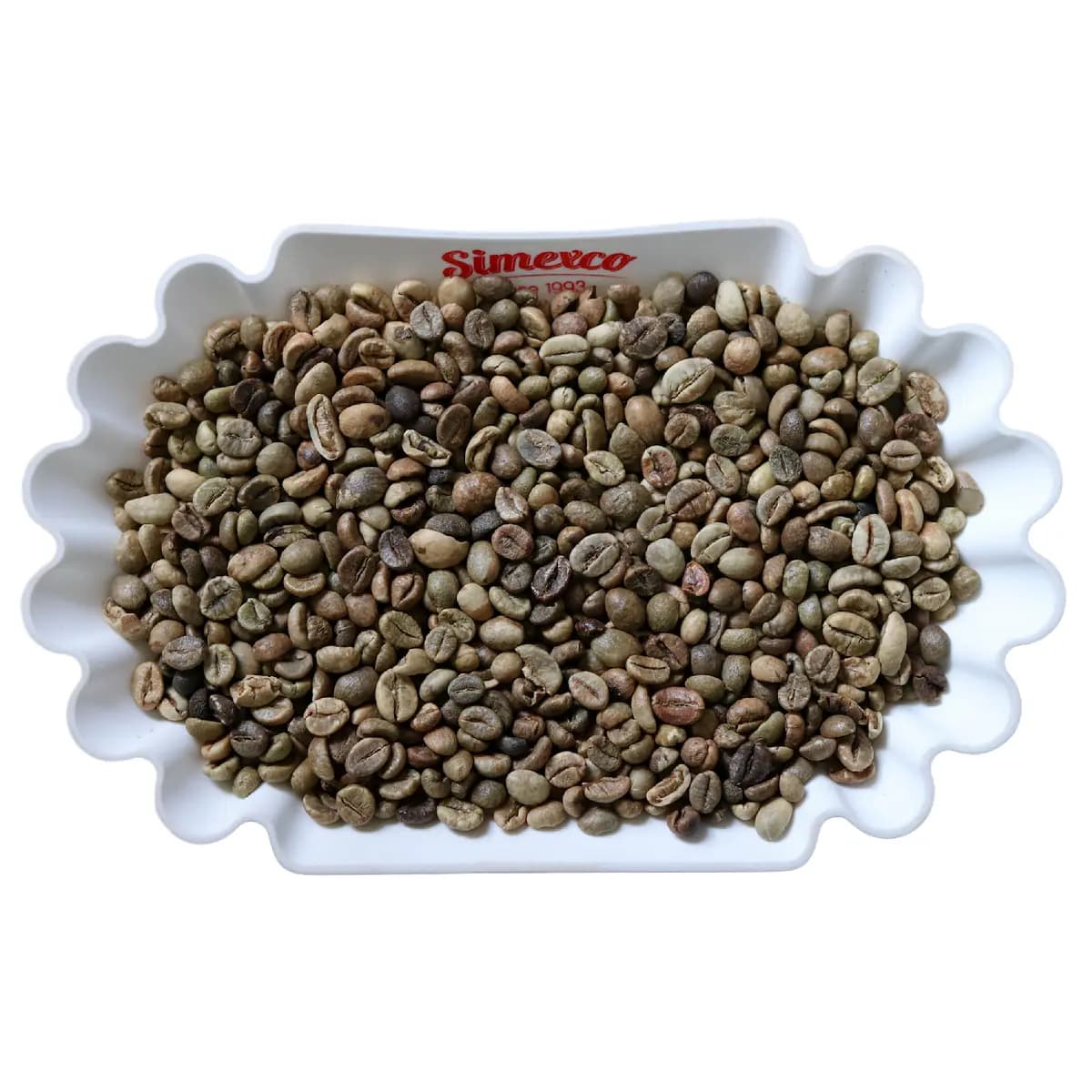
The dried parchment coffee is transported by truck to VCG's processing facility in Binh Duong Province — a 12-hour journey from the Central Highlands. At the factory, the parchment shell is removed by hulling machines, and the green beans enter a multi-stage sorting process: first, gravity separation to remove stones and heavy foreign matter; second, screen sizing through oscillating sieve sets to separate S13, S16, and S18 grades; third, optical color sorting using Buhler Sortex machines that detect and reject defective beans at a rate of 12 metric tons per hour; and finally, hand-sorting by a team of 40 workers who remove any remaining defects that electronic sorting missed.
Before export, every lot undergoes VCG's quality control protocol. Physical samples are drawn from each container's 320 bags (19.2 metric tons) and evaluated for screen size distribution, moisture content (using a Kett PM-450 meter), density, and visual defect count. Simultaneously, a 350-gram sample is roasted to Agtron 55 (medium) on a Probat sample roaster and cupped by our four-person Q-grader team according to the SCA protocol. Only lots scoring 75 points or above (fine Robusta standard) are approved for shipment to Japanese buyers. The cupping results, along with all physical quality data, are recorded in the lot's digital certificate and shared with the buyer via VCG's customer portal.
The container is loaded at Cat Lai port in Ho Chi Minh City for the 7-day voyage to Osaka's Sakai-Senboku port. Each 20-foot container holds 320 jute bags (60 kg each), double-lined with GrainPro hermetic liners to prevent moisture absorption during ocean transit. Upon arrival in Osaka, the container is received by ITOCHU Corporation's coffee division, cleared through customs with VCG's phytosanitary certificate and EUDR due diligence statement, and delivered to a specialty roaster in Osaka's Namba district. From cherry to roasted cup, the journey has taken approximately 90 days — but the traceability chain connecting Nguyen Van Thanh's farm to the final consumer is complete and verifiable at every step.
Linh Vu
Chairman, VinaCoffee Group